"Employees R’ Us”
There’s a workforce revolution taking place and, like it or not, you've joined the ranks as an unpaid volunteer.

If politics is downstream from culture, it's also true that culture is downstream from technology. And with the technological revolution underway affecting nearly every aspect of our lives, we’ve unwittingly become indentured servants of the masters who’ve put us to work. There’s a workforce revolution taking place and, like it or not, you've joined the ranks as an unpaid volunteer.
Some elements of this evolution are easy to spot. Pull up next to a driverless car at a traffic light and your mind can’t help counting the number of displaced gig workers at Uber and Lyft destined to lose their jobs. Or visit any modern manufacturing facility and marvel at the robotics that put your cousin Ernesto out of work. But there’s a more insidious displacement of labor by corporate America that’s been hiding in plain sight for years, one that’s outsourcing workload to the very customers they serve. While we’ve been busy trying to remember yet another username and password, most companies making a profit today have quietly outsourced their labor to, well, . . . us.
Congratulations! You've just been promoted! You’re now an unpaid employee of every store you shop at, restaurant you dine in, and company you call for customer support. And the best part? You didn’t even have to apply for the job. Across almost every industry, the labor burden has shifted onto customers, all in the name of “convenience.”

Let’s start with the hallowed institution of customer service. Remember when you called a company and—shockingly—could speak to a live human after a frustrating five minutes on hold? Now, every company with a website skillfully hides like buried treasure the only phone number you can use to reach a customer service rep by phone. Want to "Chat" with a computer-aided by our algorithms instead? Click here. But if you surprise us by summoning the superhuman endurance necessary to determine how to reach us by phone, a gauntlet awaits.
IT'S DOWN THE PHONE TREE YOU GO,
INTO THE LAND OF INTERACTIVE VOICE RESPONSE!:
“Thank you for calling Acme Supply. Please press:
1: for sales;
2: if you are experiencing difficulties with our newly released particle accelerator;
3: if you are seeking information on our most recent product recalls;
4: if you are a supplier or corporate partner;
5. if you are seeking employment;
6. if you’re interested in one of our many operating manuals;
7: if you know your party’s extension, all of which have changed;
8: if you'd like to reach our complaint department (Mondays, between the hours of 7-7:30 a.m.);
9. if you are trying to reach technical support because operating manuals are no longer available;
10: if you actually believe customer service will call you back;
11: if you feel like throwing your phone at the wall
12: if you’re willing to sacrifice a goat to reach a living, breathing human being you can talk to.
If you’d like us to repeat these options before you get lost in our submenus, please say “YES.” Otherwise, press # to stay on the line to hear our directory again.”
After pressing more buttons than John Glenn attempting to land Friendship 7, you find yourself in an endless loop of hold music. If someone miraculously answers the phone, you've been on "hold" so long it feels like a lost decade and you've probably forgotten why you called. Ah, customer service—the ultimate DIY project.
But it's no mystery why you've taken this journey. During the past few years, hundreds of call centers have closed and many thousands of customer service roles have been eliminated, reducing “human agent” jobs by over 20%. The wonders of automation. Where did the jobs go? Now you do their work.
We’ve become unwitting part-time employees of companies that never bothered to tell us we were hired. Need help? You’re the receptionist. Need gas? You pump it. Need a flight? You book it, check in, download your boarding pass, print your luggage tags, and cart your bags to the X-ray machine. Airlines and hotels have shredded their workforces and reduced the need for front desk agents and clerks because you’re now doing the work for them. Job losses in the travel industry are at 20-25%.
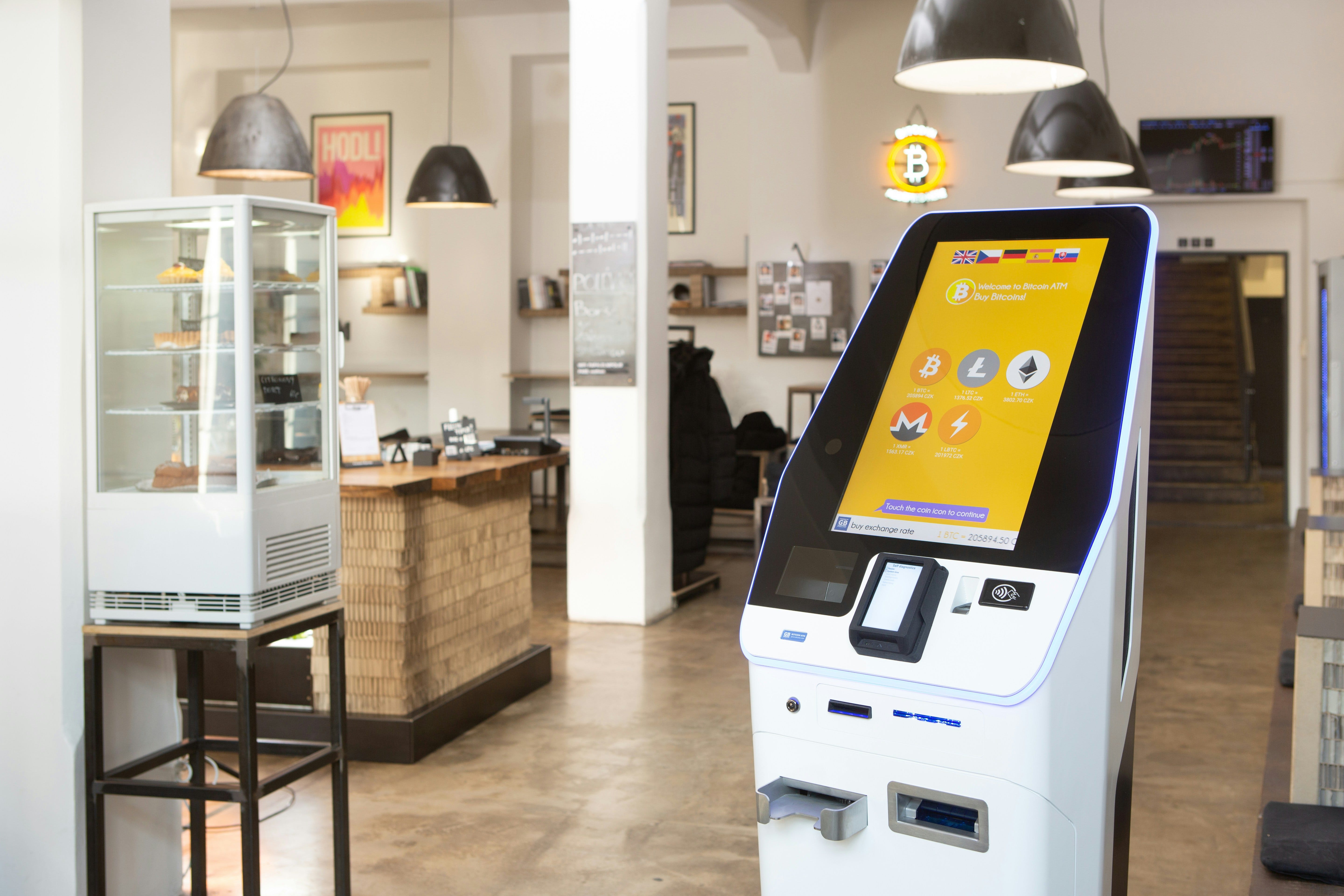
Spied a bank teller lately? Ghost Town City. It's mostly ATMs. Over 40% of U.S. bank branches have significantly downsized their workforce in the days of digital banking, with another 30% reduction by 2030. Tellers are no longer necessary because you’re now doing their work. We’ve become a society of clerks, cashiers, and call center operators, all while corporations watch their labor-free profits soar. Why pay for labor when your customers are doing the job for free?
Or head to your local grocery store where the evidence is undeniable. The self-checkout lanes are growing in number and stand like a shrine to efficiency. But whose efficiency? There once was a day when you shopped for groceries, and it was the cashier’s job to ring them up and bag them for you. (Paper or plastic?) Those days are dwindling. Now, you have the honor of playing both customer and cashier. You scan and bag your groceries and pray nothing goes wrong. God forbid any one of the touch screens, scales, scanning devices, credit card machines, and printers you’ve been quietly hired to operate set off an alarm and command you to:
“STOP, YOU IDIOT!
STAND THERE EMBARRASSED WHILE YOU WAIT FOR ASSISTANCE!”
We’ve turned buying tomatoes into a nerve-wracking test of patience. But take solace that as prices skyrocket, you save the store some labor costs. Estimates are that the work you’re now doing at self-checkout machines will replace as many as 250,000 cashier jobs in the U.S. over time.
Need a bite to eat? Head over to McDonald’s where massive kiosks await. You’ll stand there like a deer in headlights, poking at the greasy screen while an audience of restless customers behind you starts to steam and lose their cool. You've only one option left:
PHONE A FRIEND!
“Quickly! Is the ‘Chicken McNuggets’ button under the ‘Happy Meals’ section or the "Favorites"?
Who knows?
By the time you finish placing your order, you’ve learned more about McDonald's menu interface than you ever cared to. There’s no cashier to help—after all, they’re gone. Restaurants have reduced the number of cashiers and order-takers by 30%. Those scrambling behind the counter have no idea what you ordered. They’re too busy sorting the deluge of tickets you and your fellow amateur employees in line at the kiosk have sent to the kitchen.
Want to go upscale and dine at that new restaurant down the street you’ve heard so much about? Good luck. Waiters and waitresses who were once happy to take your order with a smile are disappearing, replaced by a lonely QR Code sitting lifelessly on the table before you. Scanning a photo of an ink splot with your cellphone is a breeze unless you need to seek a Wi-Fi password from a harried busboy nearby. You'll probably need to download the restaurant’s custom App.
DINERS, START YOUR SCROLLING!
(hummed to the tune of "Gentlemen, Start your Engines!)
Hunt and peck through a jumble of screens filled with menu items never designed for display on your phone. If 17 orders of french fries rather than the medium rare filet you linked to arrive, courtesy of the busboy (who doubles as the dishwasher), grin and bear it. That’ll have to be worked out online with the restaurant’s manager. He remotely operates the place from home, two states away.
Or, for kicks, make an appointment with your doctor. Checkups used to be simple. Arrive, fill out a form or two, and head to the exam room where, by tradition, you wait an hour before a nurse informs you the doctor is running late. Today, before you even set foot in the office, clinic, or hospital, you’re inundated with endless TEXTS so you can go to work helping them digitize their “patient intake process.”
Monday TEXT: Appointment Reminder! “[REPLY ‘Y’ TO CONFIRM, R TO RESCHEDULE, C TO CANCEL”]
Tuesday TEXT: Please complete all attached online questionnaires
Wednesday TEXT: Please upload medical histories
Thursday TEXT: Please verify your insurance details
Friday TEXT: Please provide the attached consent forms and digitally sign-in
Saturday TEXT: See you soon!
Once you see the doctor, you’ve done everything but write the prescription.
Congratulations on your new part-time medical assistant job! Feeling like a pharmacist’s assistant today? You’re already hired! Pharmacies like CVS and Walgreens are using mobile apps to refill prescriptions so you can get to work for them, reducing their staffing for clerks by as much as 15%.
Let’s talk Retail. With automation spreading like wildfire, estimates are that hundreds of thousands of jobs are being lost in the sector thanks to the rise of self-checkout machines and mobile Apps. According to analysts, companies have seen profit margins increase by as much as 20% by replacing their employees with technology, effectively turning their customers into an unpaid workforce. Think of all the wages saved and the money pocketed—by them, of course, not you.
But perhaps we’re the ones to blame. After all, isn’t it convenient to check yourself out of a hotel, click through options, and order online without human interaction? Sure. But we’ve been wooed by the siren song of “convenience,” never realizing we were trading away our time and sanity along the way. Like the story of Tom Sawyer who tricks Ben into whitewashing Aunt Polly's fence, it’s the perfect grift: companies have convinced us that doing their job for them is a favor to ourselves.
So, next time you’re standing in the self-checkout line, have your phone pressed to your ear in an endless customer service loop, or are frantically configuring the perfect car online, take a moment to reflect. You’re not just a customer—you’re an unpaid employee. Welcome to the future of commerce, where all of us are at work but nobody gets paid.